Right plant.Thoughtful place. Twelve plants to explore for coastal BC gardens. Start with conditions, then consider texture, seasonal change and room to grow.
Illustrations support recognition, not plant identification. These researched entries are inspiration rather than a complete planting prescription. Site, cultivar and local conditions matter; no edibility or pet-safety claims are made.
12 plants
All plant entries and growing notes remain available. JavaScript enables filters and multiple inspiration selections.
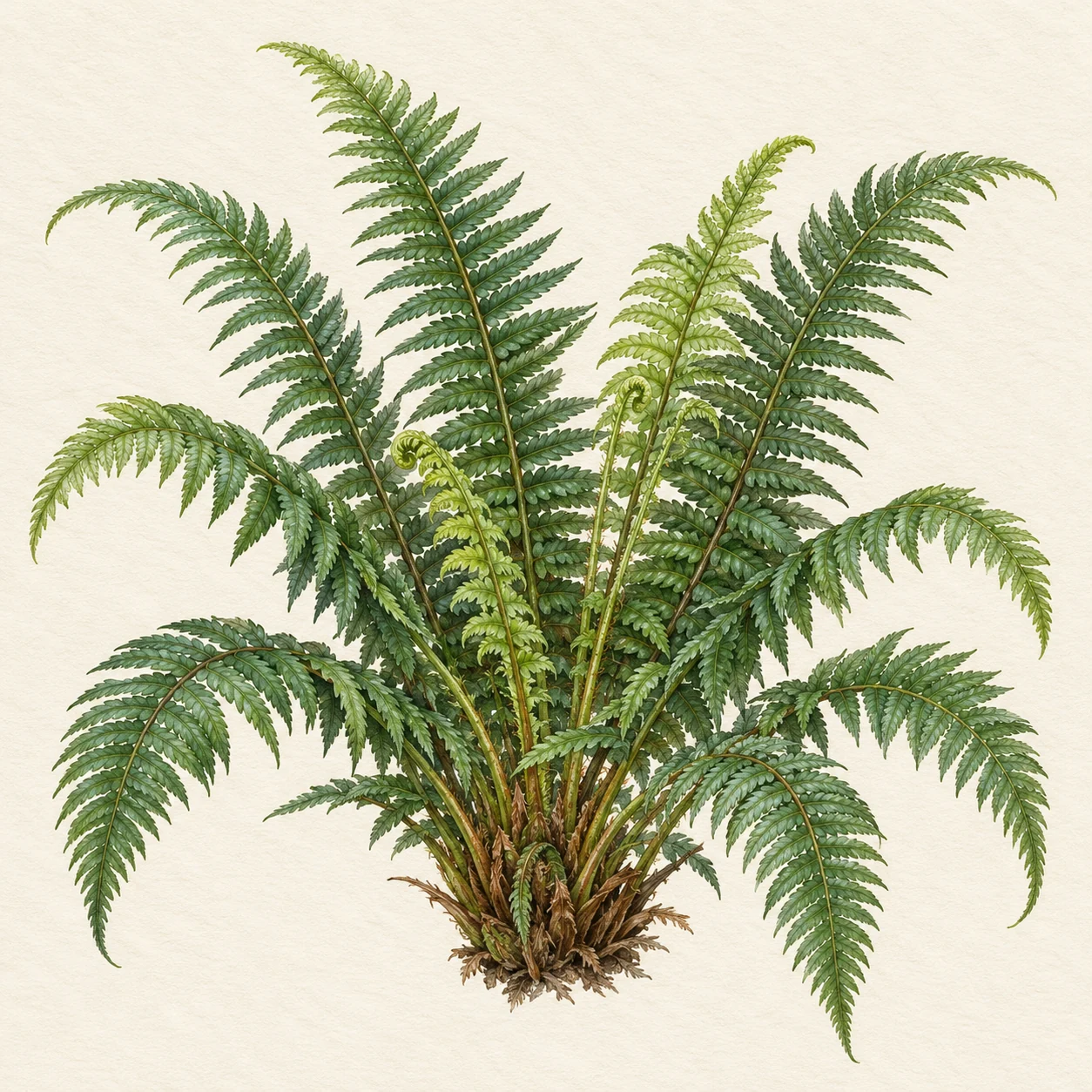
Polystichum munitum
Western sword fern Growing notes Evergreen structure for woodland planting. Established plants tolerate some dry shade; keep new plants watered while they establish.
Typical mature size: About 0.9–1.5 m tall; allow space for arching fronds.. Site and form affect growth.
Moisture: Average moisture / Moist conditions.
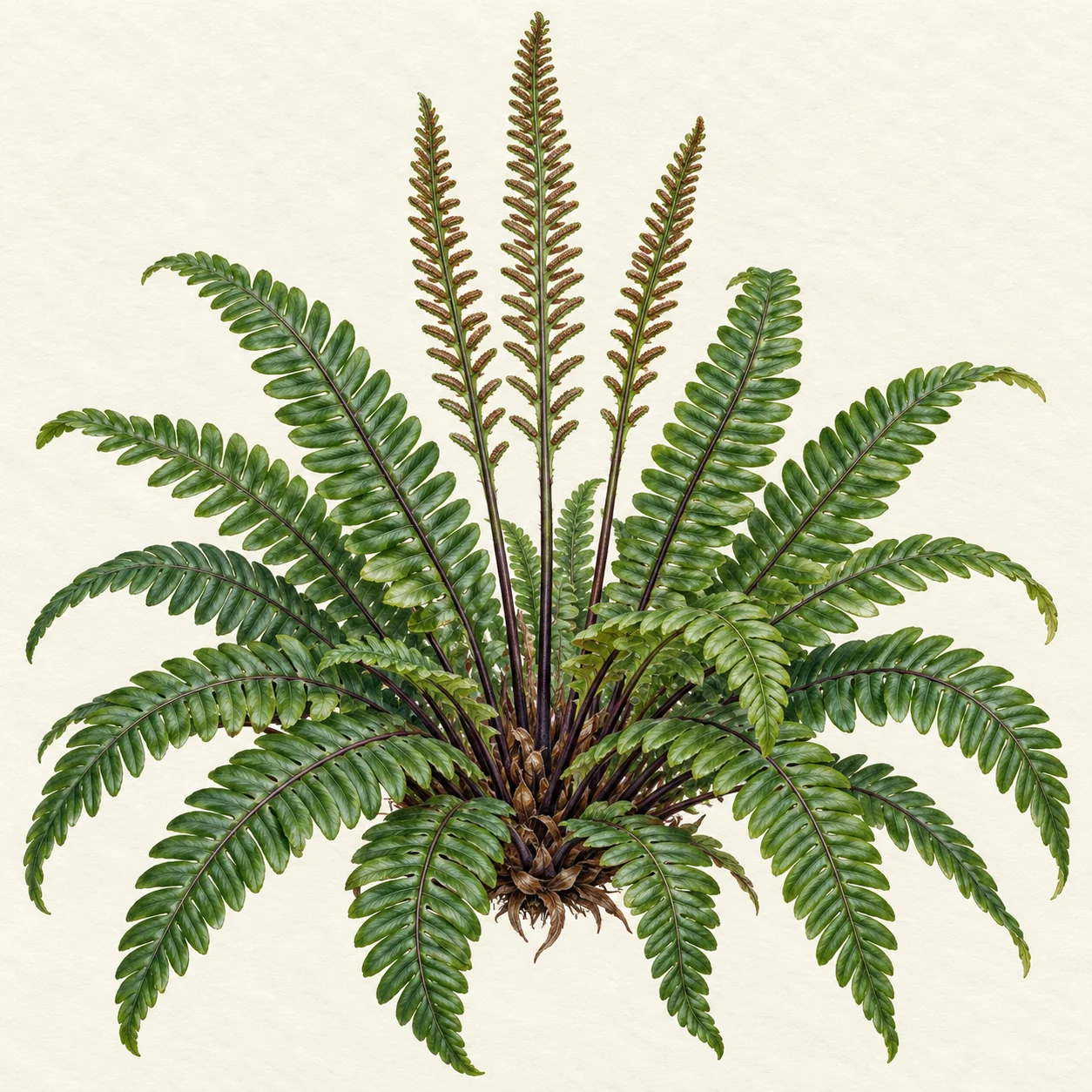
Regional source ↗ Use in a sample brief ↗ Blechnum spicant · Also published as Struthiopteris spicant; taxonomic treatments differ.
Deer fern Growing notes A fern for sheltered, humus-rich, moist places. Avoid treating it as a dry-ground substitute for sword fern.
Typical mature size: Usually 0.3–0.6 m tall; fertile fronds rise above the spreading sterile fronds.. Site and form affect growth.
Moisture: Moist conditions.
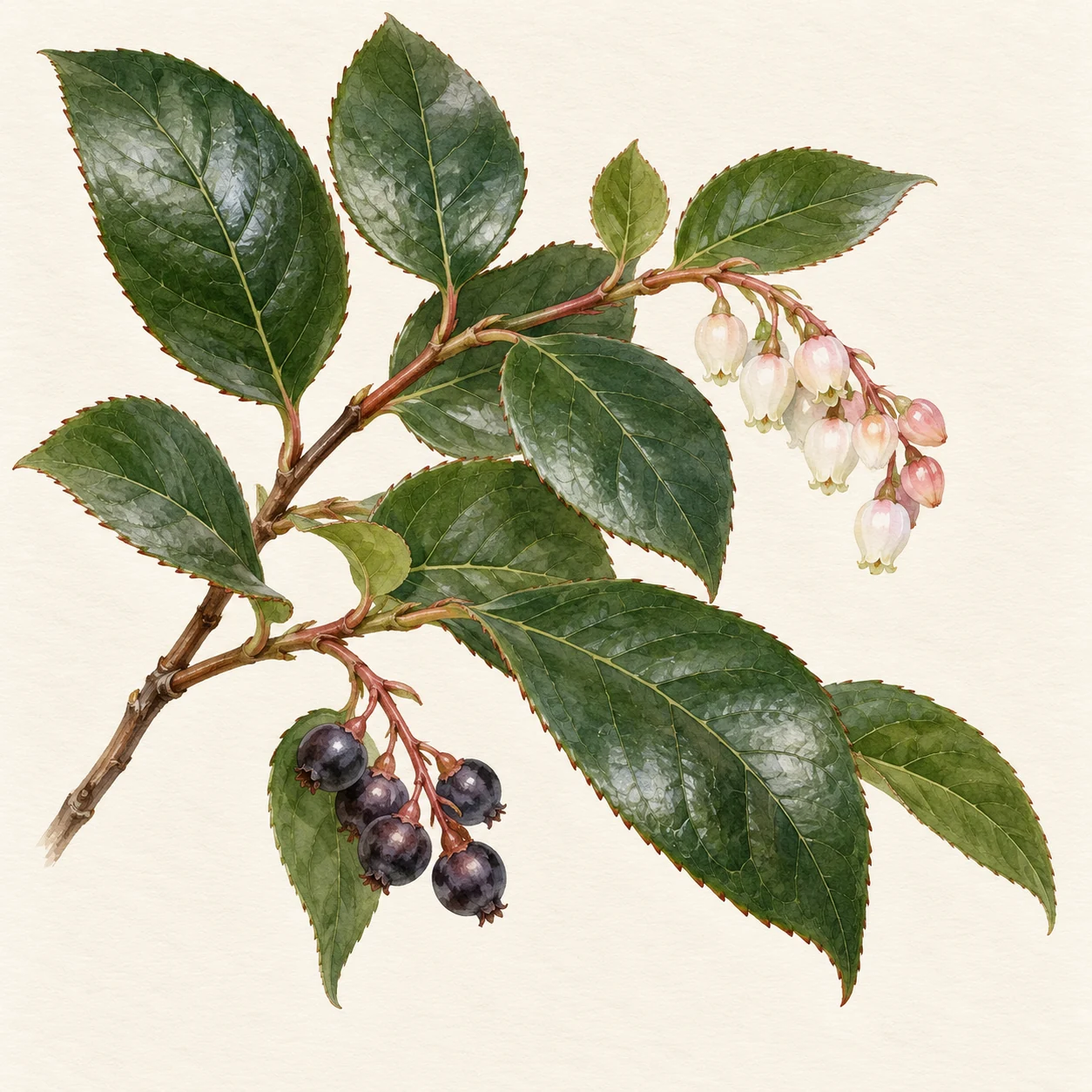
Regional source ↗ Use in a sample brief ↗ Gaultheria shallon
Salal Growing notes Leathery evergreen foliage forms a spreading understory. Give it room to colonize and match irrigation to the site while establishing.
Typical mature size: Often 0.6–1.5 m in gardens; can grow much taller in deep coastal shade.. Site and form affect growth.
Moisture: Drier conditions / Average moisture.
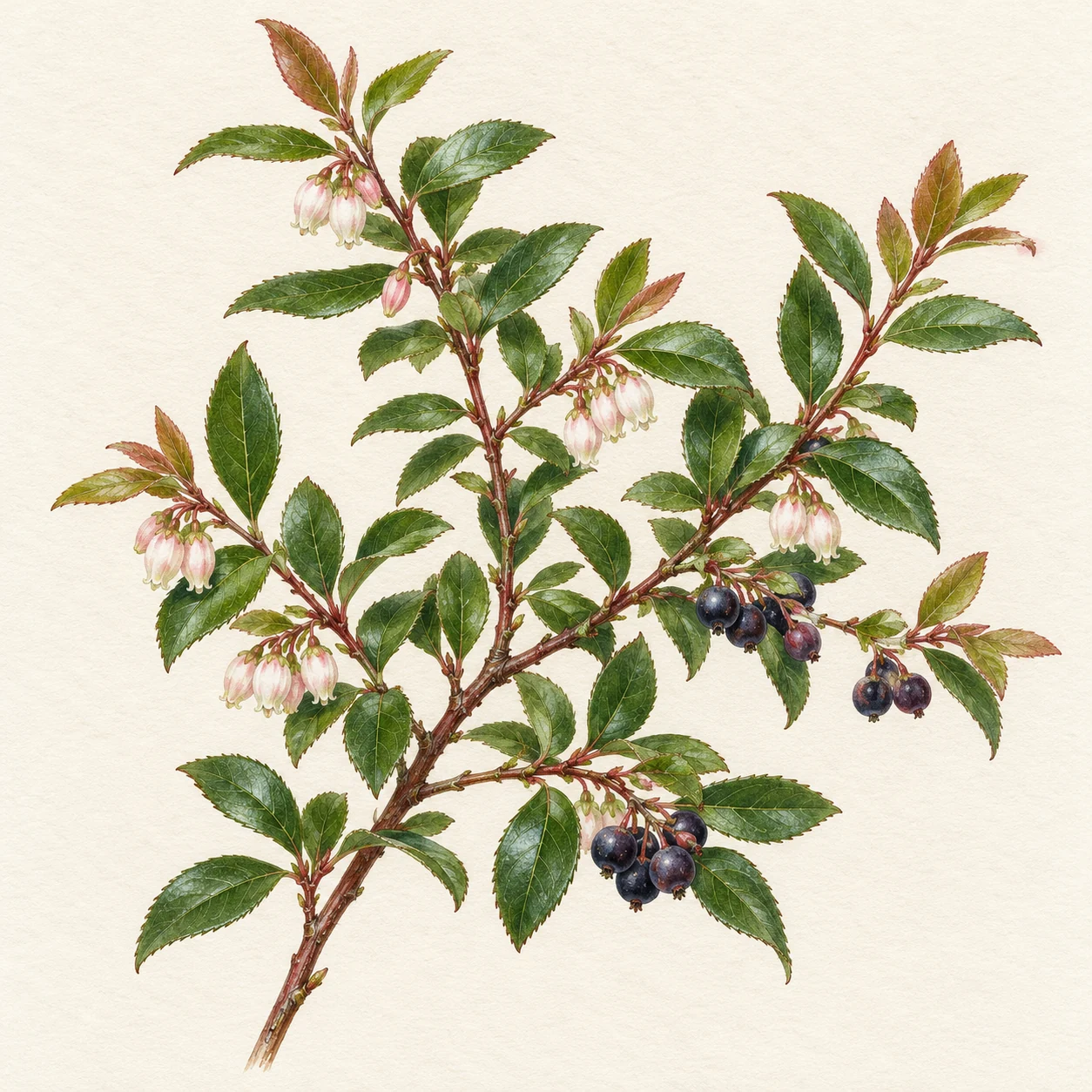
Regional source ↗ Use in a sample brief ↗ Vaccinium ovatum
Evergreen huckleberry Growing notes Slow-growing evergreen shrub with small bell flowers. Use nursery-grown plants and a suitable humus-rich site; shade affects eventual size.
Typical mature size: Around 1–2 m in sun; may exceed 4 m in shade.. Site and form affect growth.
Moisture: Average moisture / Moist conditions.
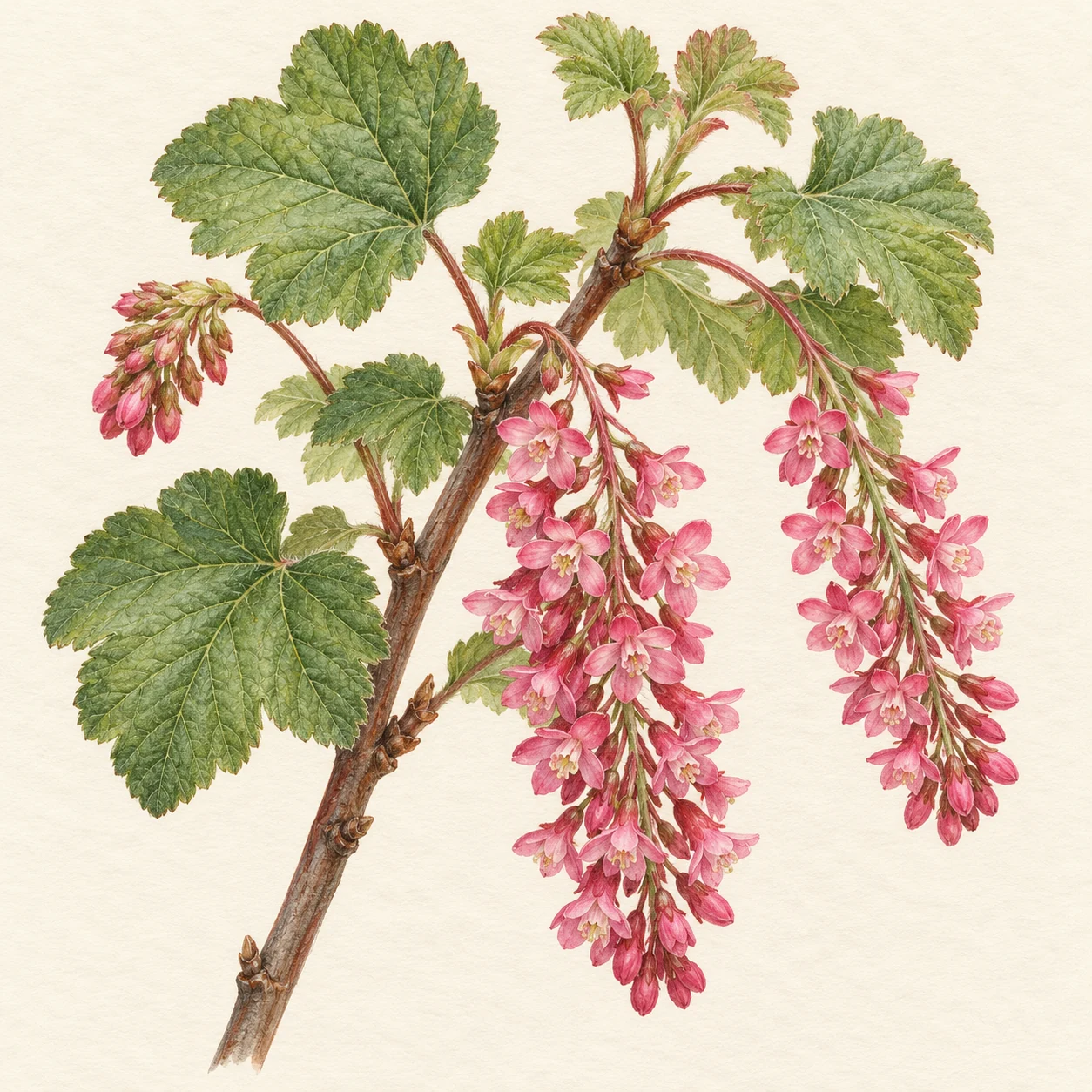
Regional source ↗ Use in a sample brief ↗ Ribes sanguineum
Red-flowering currant Growing notes Early pink flower clusters provide a strong seasonal moment. An open, well-drained site suits this shrub; established plants can tolerate dry summers.
Typical mature size: About 1–3 m tall, depending on conditions and selection.. Site and form affect growth.
Moisture: Drier conditions / Average moisture.
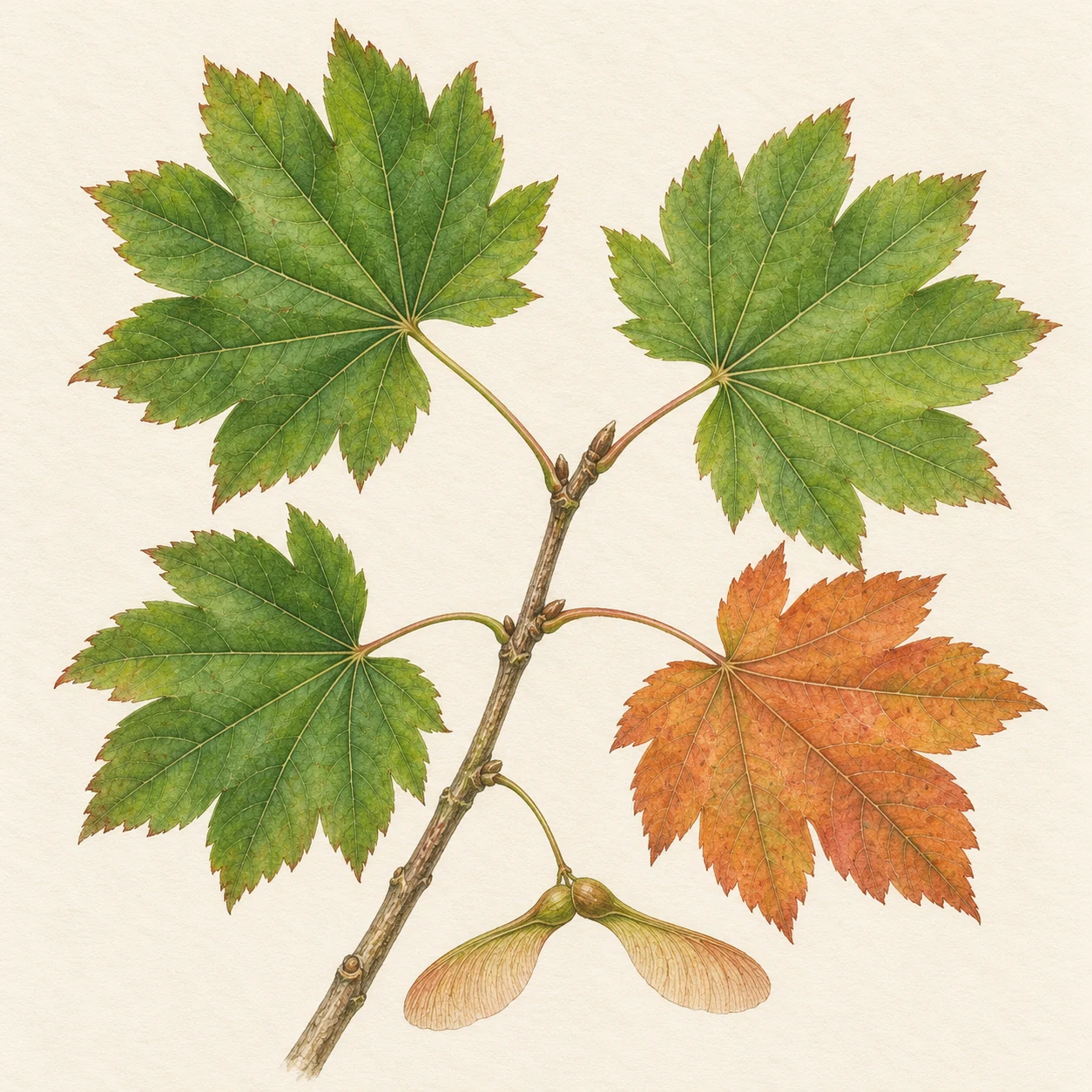
Regional source ↗ Use in a sample brief ↗ Acer circinatum
Vine maple Growing notes Allow for its eventual canopy and spreading stems. Sunny placements need adequate moisture; autumn colour varies with exposure.
Typical mature size: A multi-stemmed shrub or small tree, potentially around 7 m tall.. Site and form affect growth.
Moisture: Average moisture / Moist conditions.
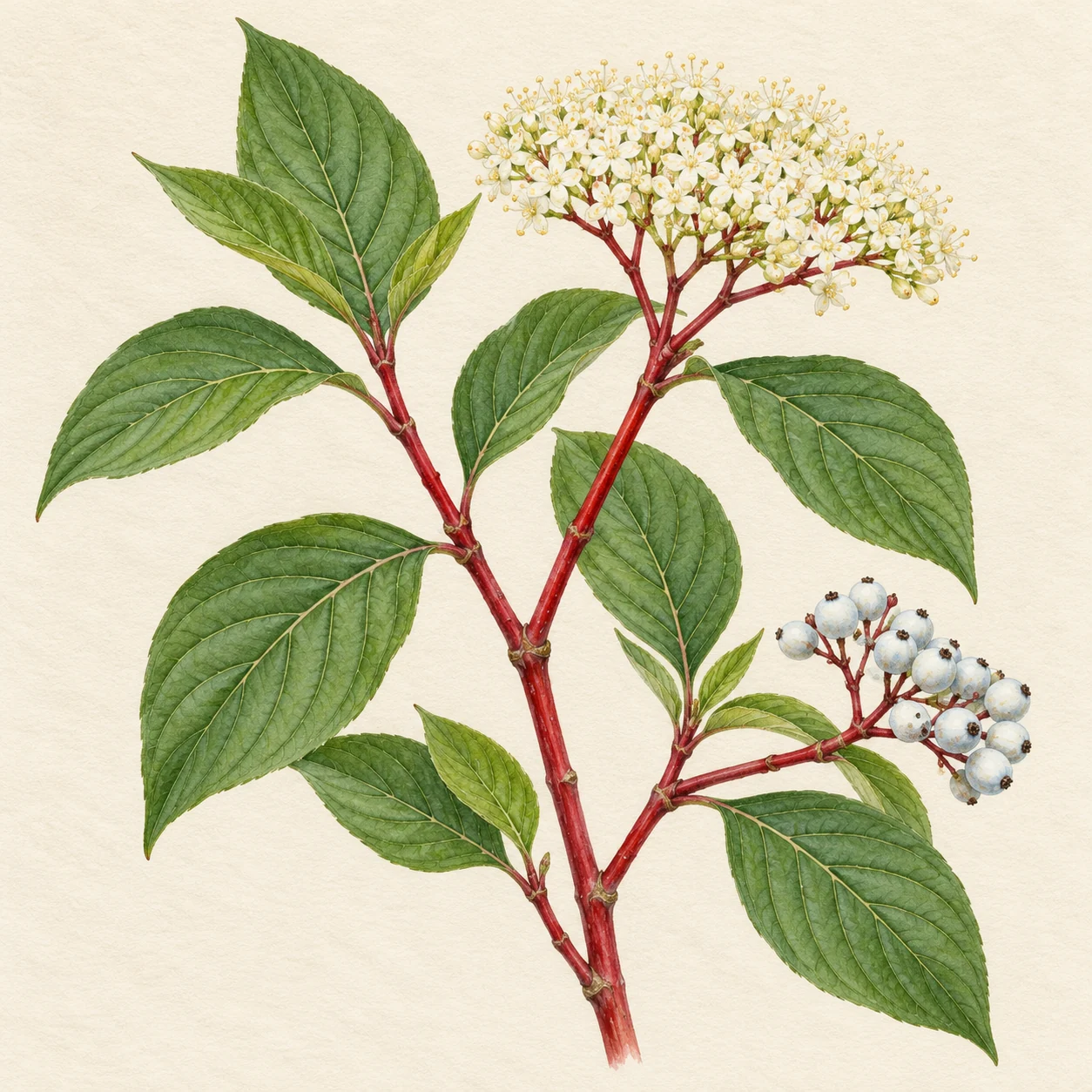
Regional source ↗ Use in a sample brief ↗ Cornus sericea
Red-osier dogwood Growing notes Red stems bring winter structure. This vigorous shrub prefers moist ground and can spread; plan its size and management before planting.
Typical mature size: Species plants can reach 2–6 m; smaller cultivated selections differ.. Site and form affect growth.
Moisture: Moist conditions.
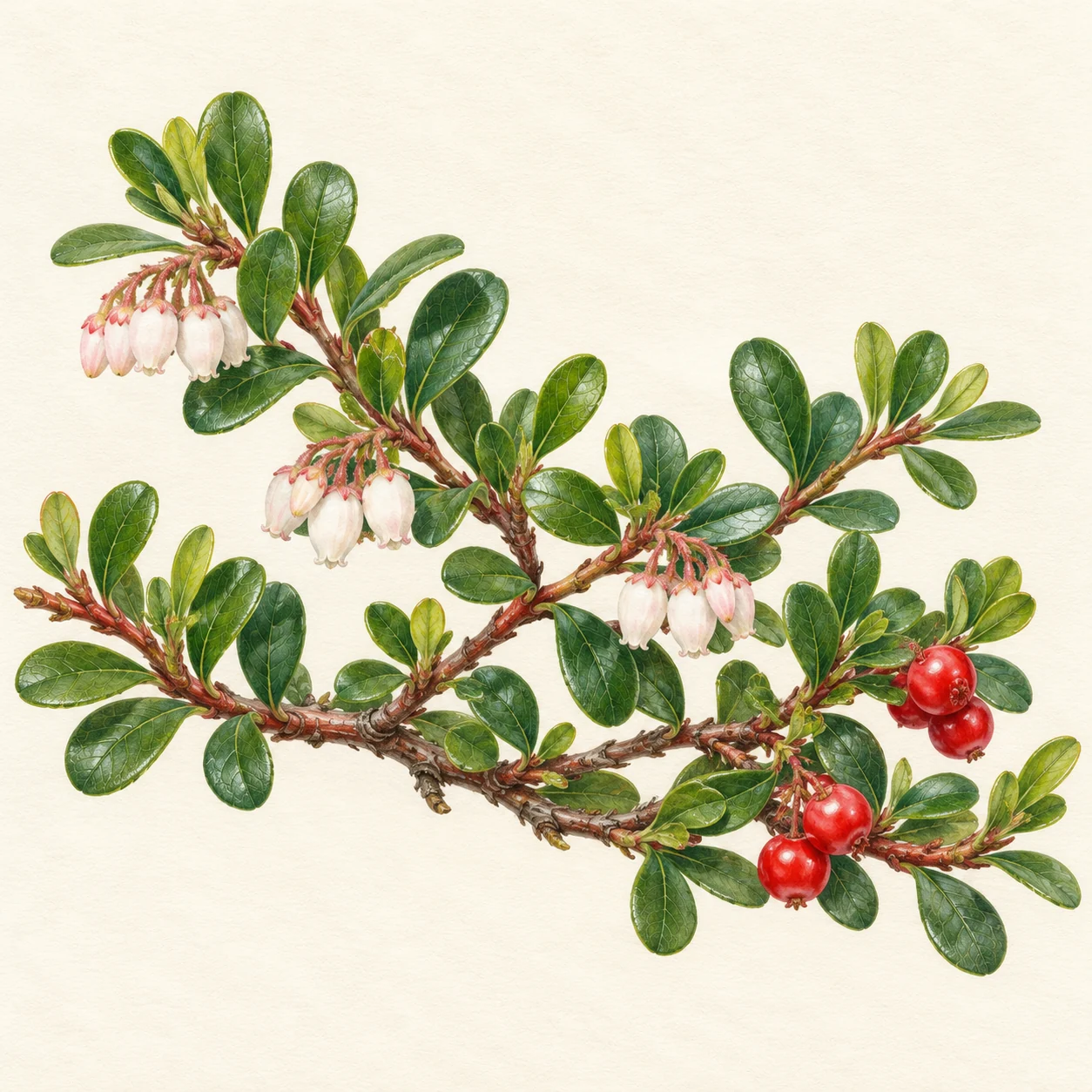
Regional source ↗ Use in a sample brief ↗ Arctostaphylos uva-ursi
Kinnikinnick Growing notes Use free-draining ground and leave room for a mat to develop. Avoid wet, heavy soils and frequent irrigation after establishment.
Typical mature size: A low spreading groundcover, roughly 15–20 cm tall.. Site and form affect growth.
Moisture: Drier conditions.
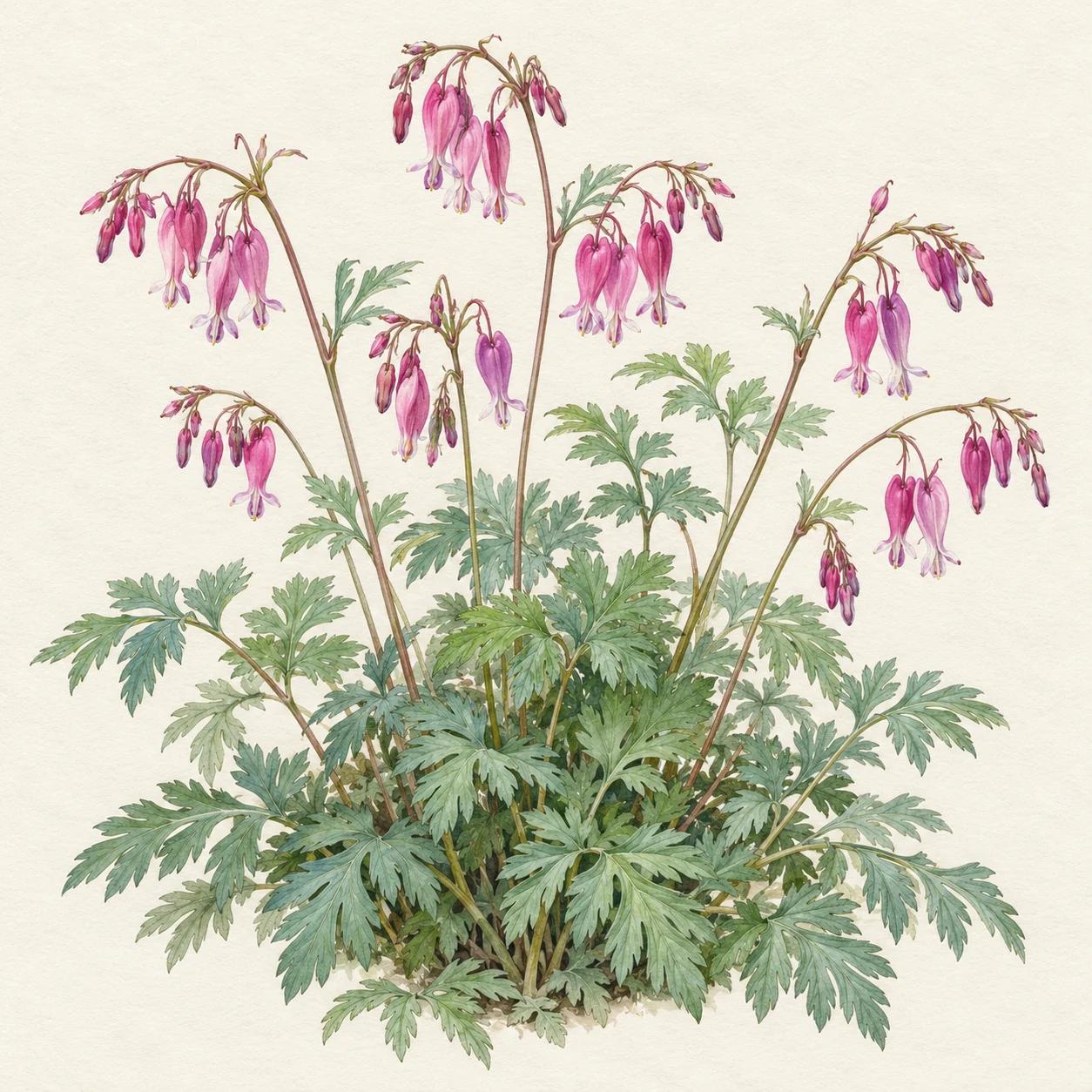
Regional source ↗ Use in a sample brief ↗ Dicentra formosa
Pacific bleeding heart Growing notes Fern-like leaves and pendent pink flowers suit woodland margins. Provide humus-rich, well-drained moisture and allow for spreading rhizomes.
Typical mature size: About 20–40 cm tall, spreading roughly 0.6–1 m.. Site and form affect growth.
Moisture: Moist conditions.
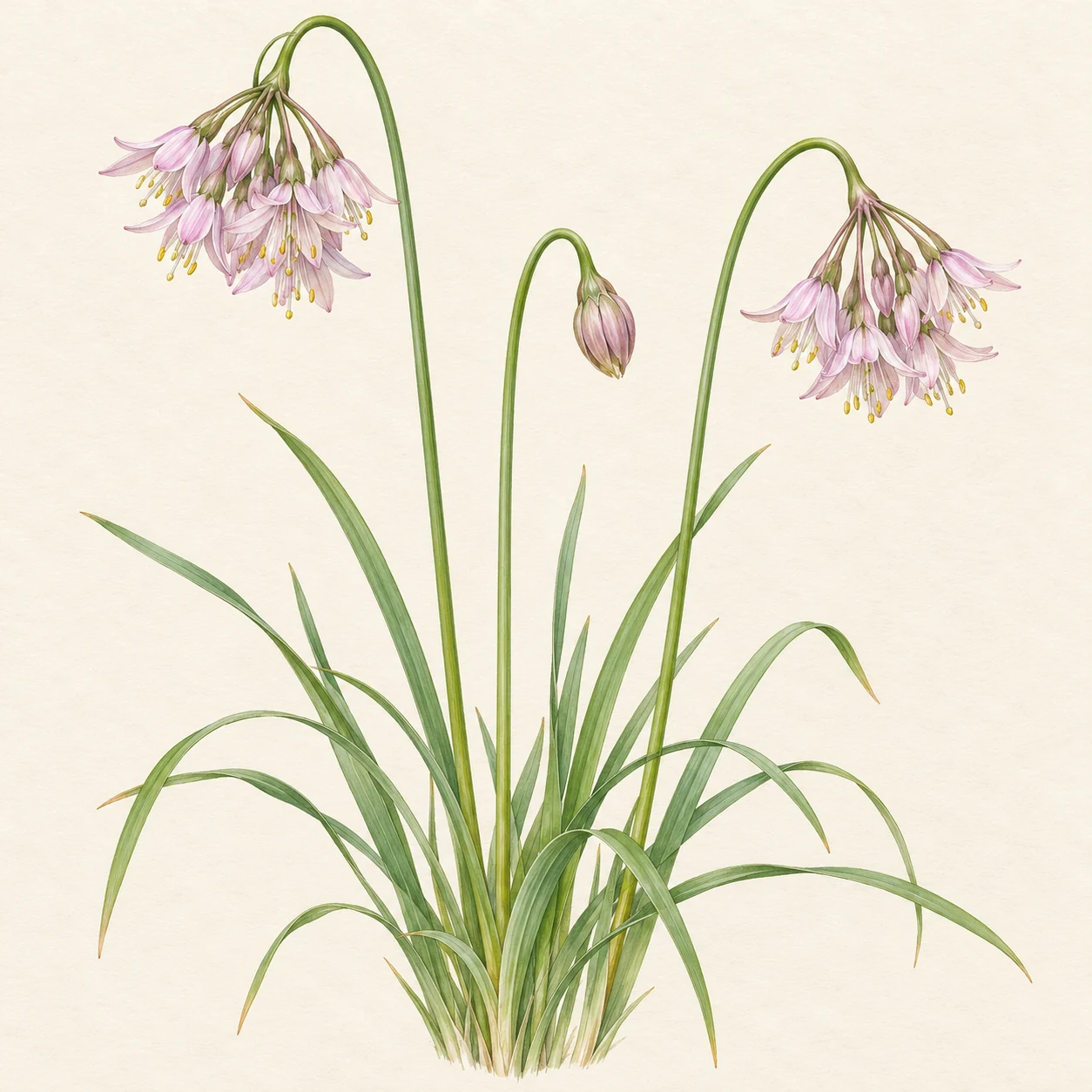
Regional source ↗ Use in a sample brief ↗ Allium cernuum
Nodding onion Growing notes Small nodding flower heads work in sunny borders and containers. Provide drainage and expect some self-seeding in suitable conditions.
Typical mature size: Flower stems usually rise to about 30–45 cm.. Site and form affect growth.
Moisture: Drier conditions / Average moisture.
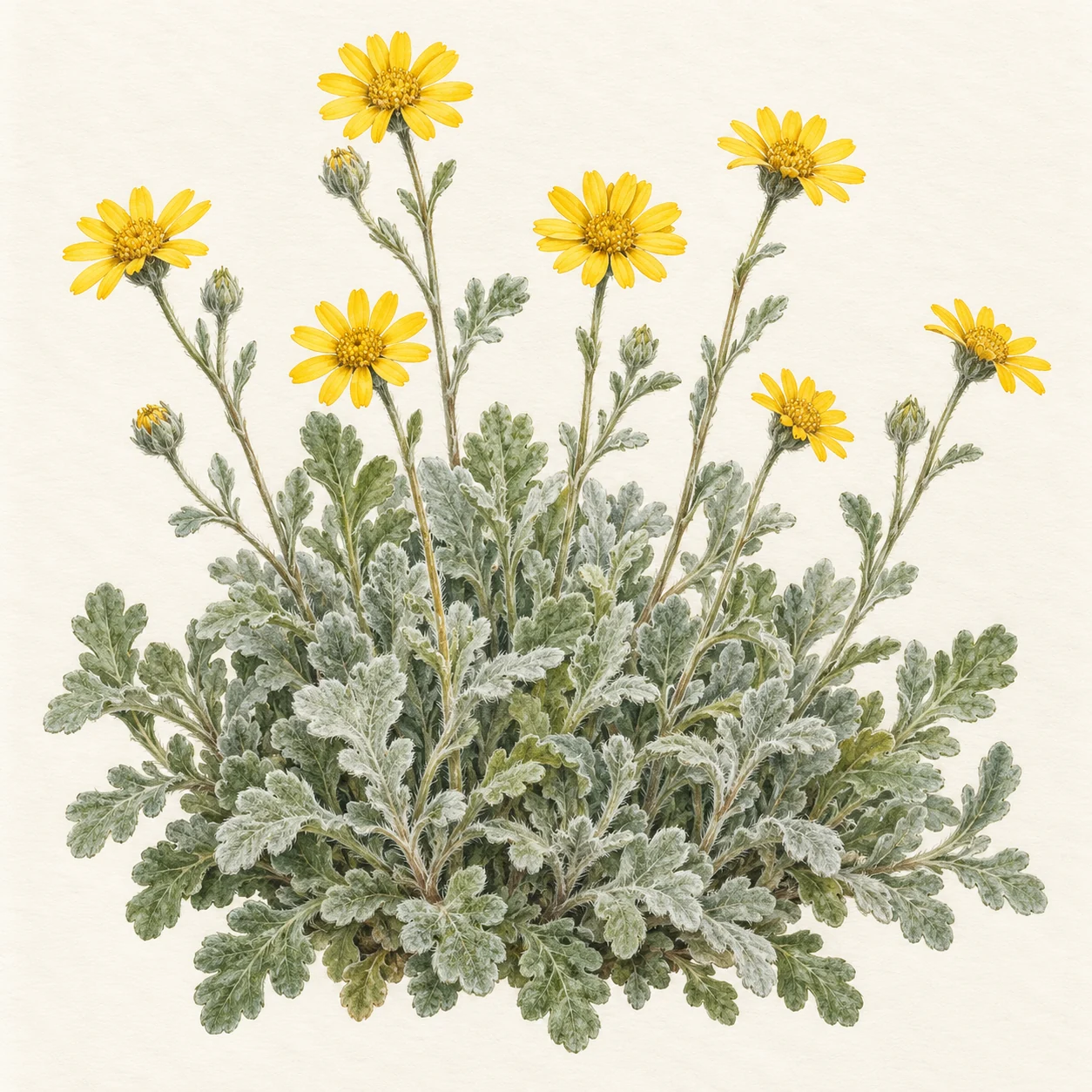
Regional source ↗ Use in a sample brief ↗ Eriophyllum lanatum
Oregon sunshine Growing notes Yellow daisy-like flowers and grey-green foliage suit sunny, well-drained planting. Choose a form appropriate to the site and leave space for its mature habit.
Typical mature size: Variable forms range from a low mound to around 60 cm tall.. Site and form affect growth.
Moisture: Drier conditions.
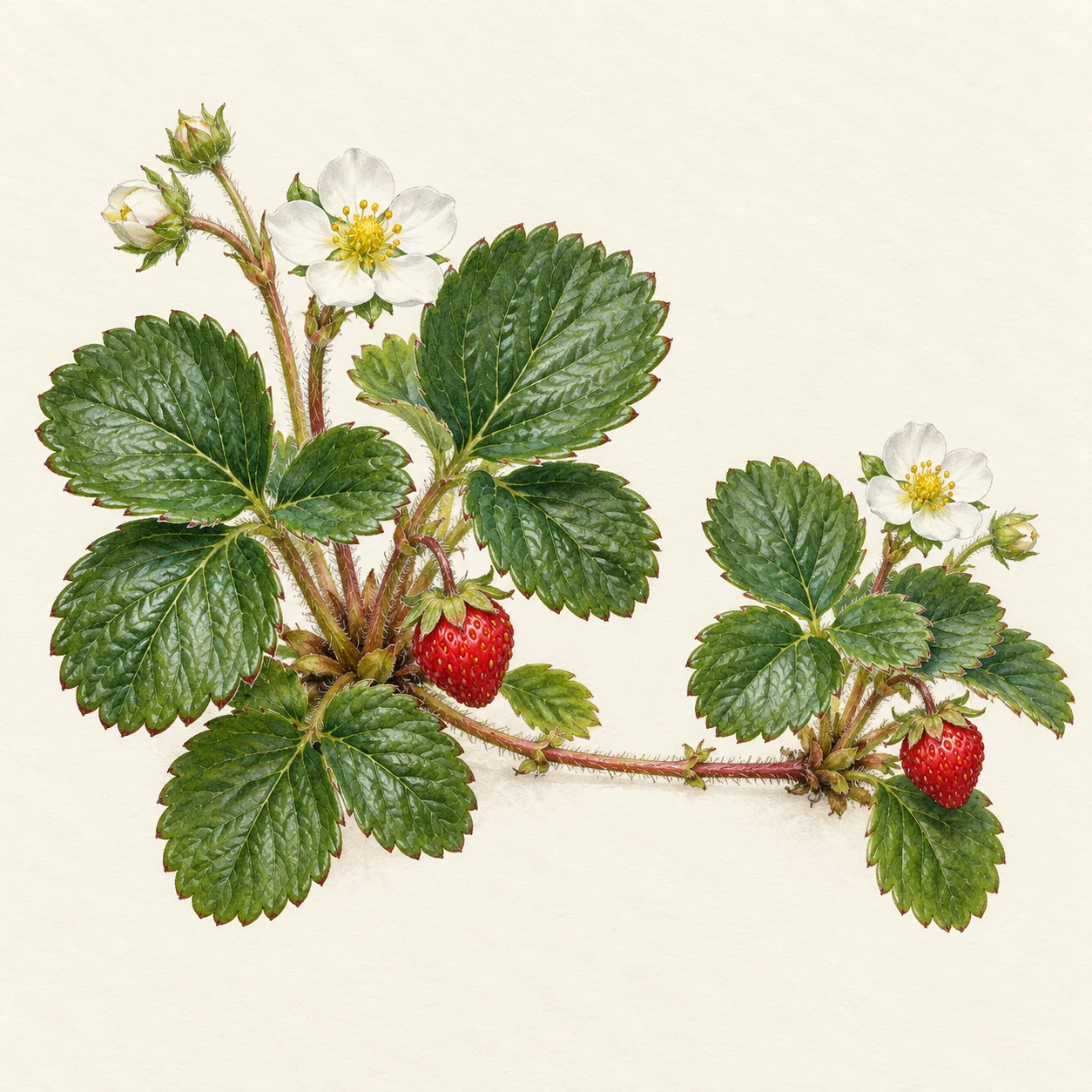
Regional source ↗ Use in a sample brief ↗ Fragaria chiloensis
Coastal strawberry Growing notes Glossy trifoliate leaves and runners create a vigorous ground layer. Allow room to spread; site-specific moisture still matters during establishment.
Typical mature size: A spreading groundcover, usually below 25 cm tall.. Site and form affect growth.
Moisture: Drier conditions / Average moisture.
Regional source ↗ Use in a sample brief ↗ No plants in this selection. Try fewer filters to explore the full palette.
YOUR OWN STARTING POINT
What would youlike to grow? A few observations. A little inspiration. A useful place to begin.
Plan your garden↗